Physiotherapy for Pole Dancers in Toronto
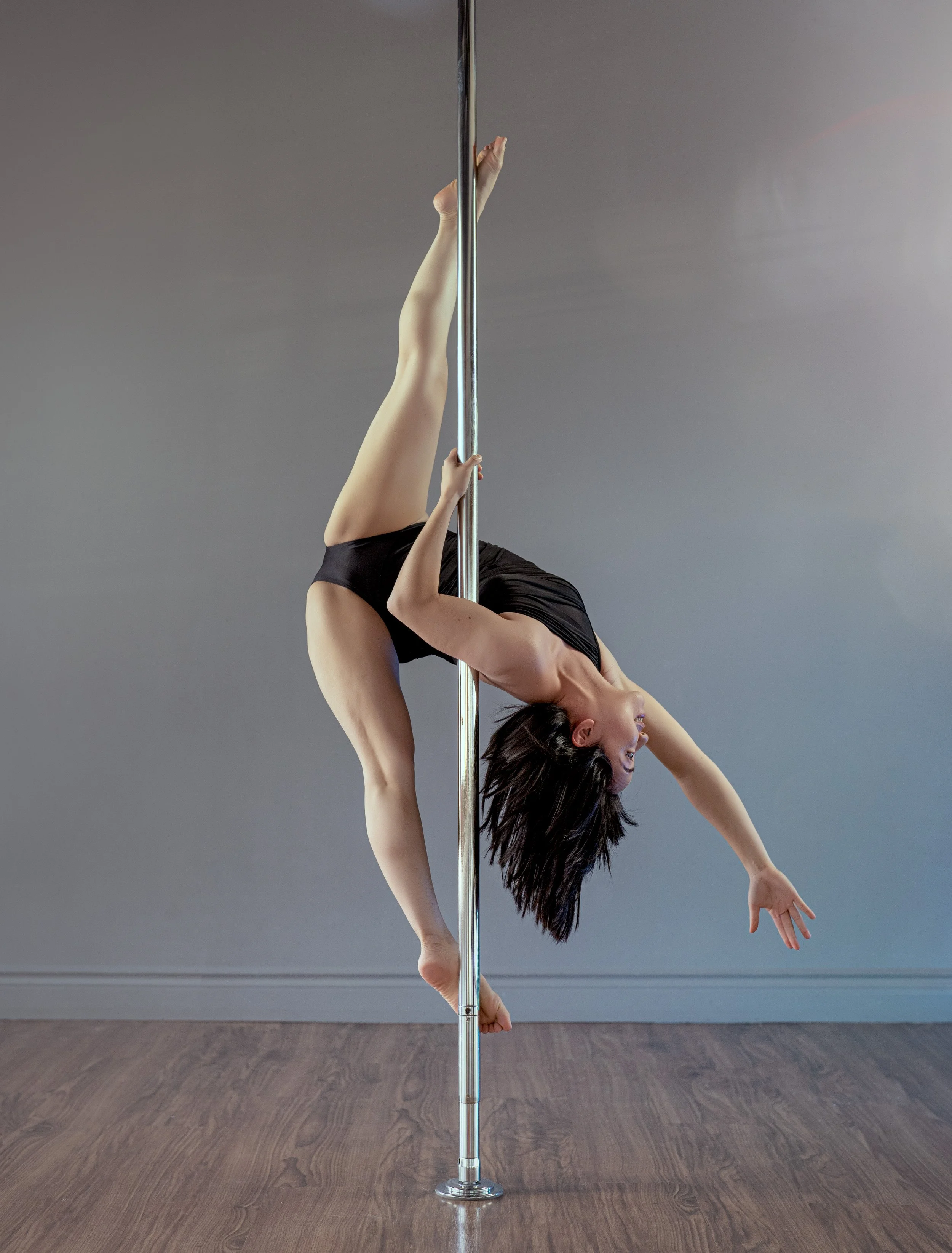
Common Pole Dance Injuries
Pole dancing places significant and unique demands on the body. As we spin and move around the pole, we rely heavily on our shoulders to pull and push, and on our forearms and fingers to grip. Many tricks also require an extreme level of flexibility.
When our strength, control or active flexibility has not yet caught up with the demands of a movement, forcing ourselves into the trick before our body is ready certainly increase the risk of injury.
Some common pain and injury patterns include:
Climbs: medial or lateral elbow tendinopathy—often known as golfer’s or tennis elbow
Split grip: wrist pain or irritation of the triangular fibrocartilage complex (TFCC)
Inverts: strains involving the rhomboids, middle trapezius or spinal muscles
Handsprings and Ayesha: rotator cuff–related shoulder pain, biceps irritation or shoulder instability
Iron X: rotator cuff or biceps overload, with possible labral irritation
Jallegra and Broken Doll: rib bruising, intercostal muscle strain or rib-joint irritation from rotation and pressure against the pole
Bird of Paradise: hamstring or adductor strain, as well as shoulder or latissimus dorsi strain
Plus Sign and Spatchcock: hamstring or adductor strain caused by the extreme leg position
Gargoyle: compression or irritation of nerves and soft tissues behind the knee
Shoulder stands and fish flops: neck, upper trapezius or shoulder strain from pressure and sudden loading
Kips and drops to the knees: knee bruising or irritation from repeated impact
These are examples rather than a complete list. Pain during a trick does not always mean that the named tissue is injured. The cause may also involve training volume, technique, strength, mobility, recovery or a previous injury.
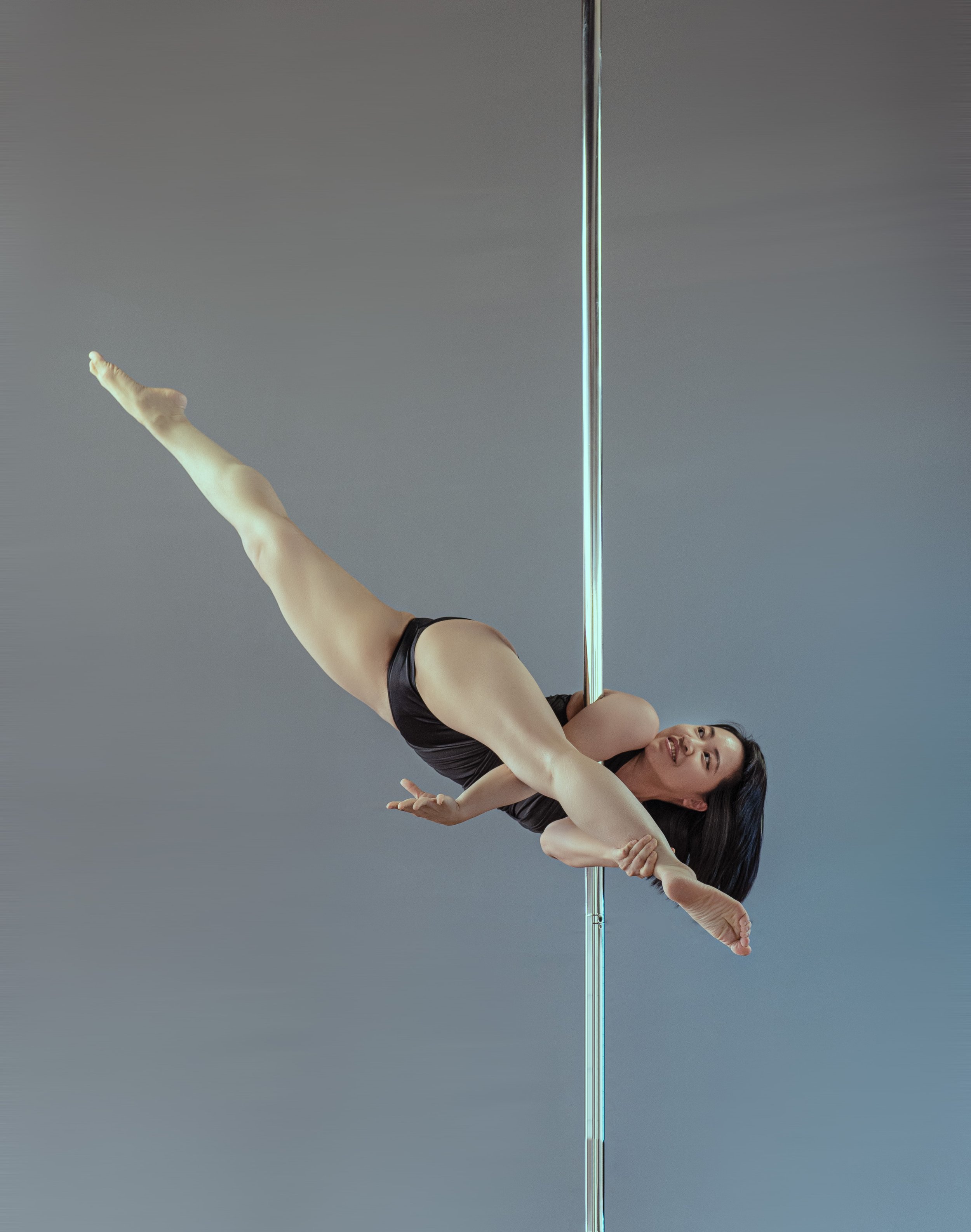
Why General Physiotherapy Can Miss the Mark for Pole Dancers
I have been pole dancing since 2014, and I have seen how easily the demands of pole can be misunderstood by physiotherapists who are unfamiliar with the sport. Terms such as invert, superman, eagle, and deadlift may not mean much if they have never heard of or performed them.
This matters because they may not understand how the injury happened in the first place. It could be related to your training load, technique, grip, or a combination of these factors. Rehabilitating a shoulder for hanging, pulling, and supporting your body weight overhead is different from simply helping someone return to regular gym exercises.
Understanding the position, the direction of the load, and the trick you are working toward can change both the assessment and the treatment plan. A physiotherapist who understands pole can watch how you move, recognize the demands of the trick, and build a rehabilitation plan that fits your training goals.
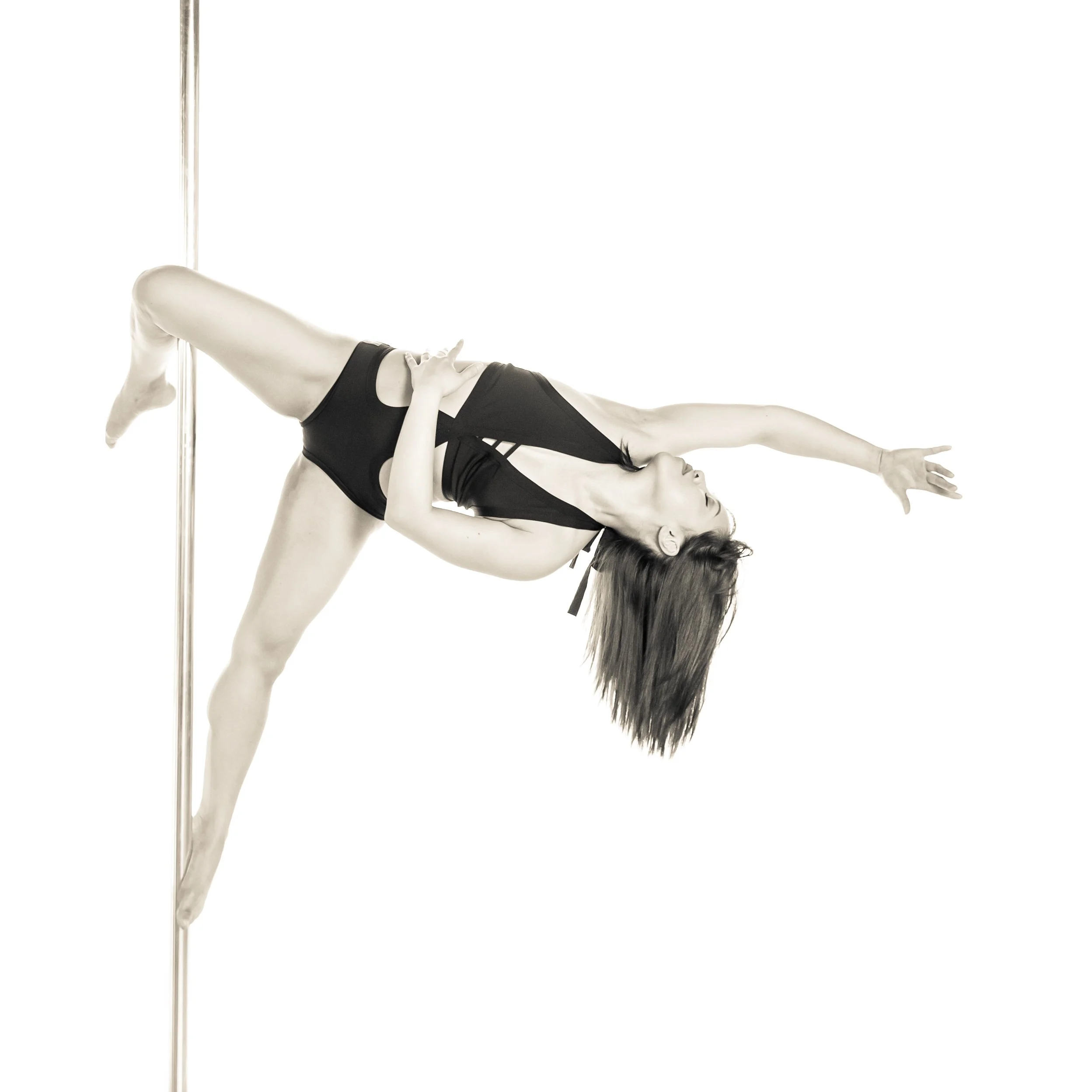
What to Expect During a Pole Dance Physiotherapy Assessment
During your first visit, we will talk about how the pain or injury started. This includes which move you were training, where you felt the pain, what happens when you try the position now, and what you would like to return to—whether that means getting back to a specific trick or safely progressing toward a new one.
From there, I will assess the movement of the joint and the strength and control of the surrounding muscles. We will look at whether the problem is related to mobility, strength, coordination, or your ability to tolerate load in a particular position.
When helpful and safe, we can also go through the actual pole movement together. This allows me to see what your body is doing during the trick instead of relying only on a description of it.
By the end of the assessment, you will have a clearer understanding, explained in plain language, of what may be contributing to your pain, as well as a starting plan to help you move forward.

How Treatment Works for Pole Dance Injuries
Treatment usually combines several approaches. Education comes first because understanding why the area became irritated—and how to adjust your training—often matters more than any single treatment technique.
Manual therapy may be used to reduce pain and help restore movement. Acupuncture may also help settle symptoms and support your recovery between sessions.
Exercise is where the longer-term change happens. Your exercises will be chosen based on your specific injury and the positions your body needs to manage—not simply taken from a generic shoulder, back, or hip program.
The goal is to build the mobility, strength, and control you need through your shoulders, spine, and hips so you can return to pole with more confidence and reduce the chance of repeatedly aggravating the same area.

Toronto Physiotherapist for Pole dance and Aerial Artists