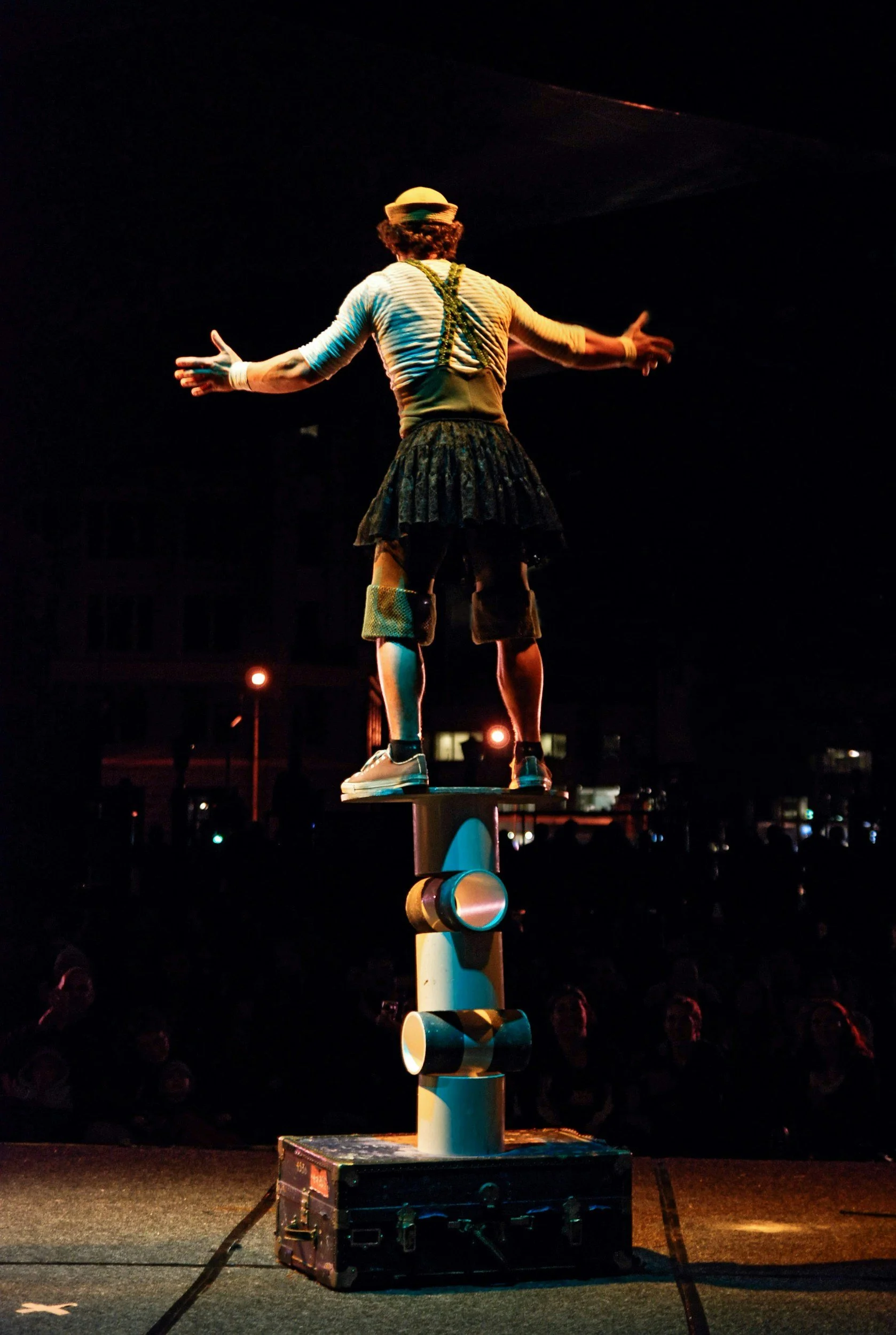
Physiotherapy for Aerial and Circus Artists in Toronto
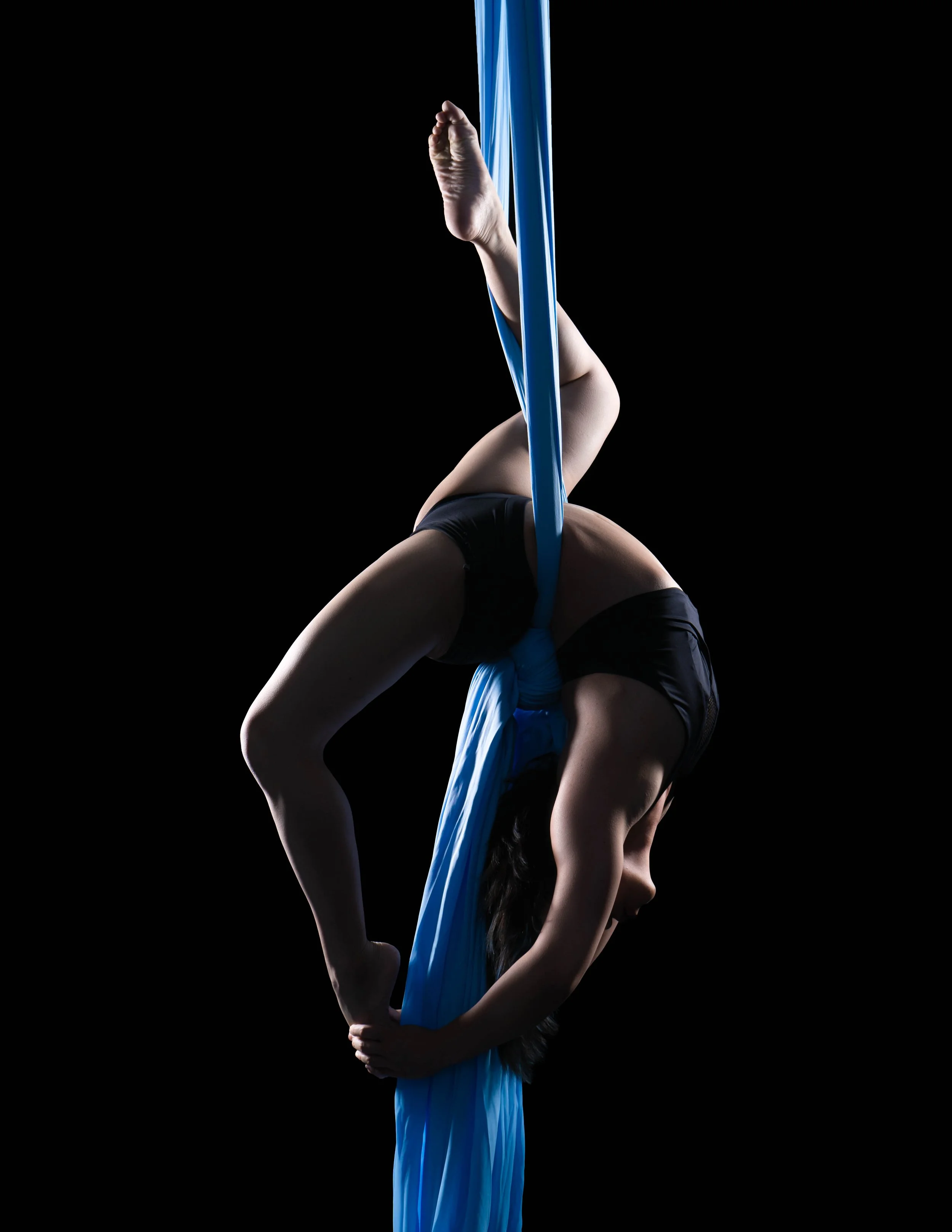
Common Aerial and Circus Artists Injuries
In aerial and circus arts, we perform gravity-defying tricks! Climbing, inverting, dynamic drops and tumbling through the air are part of what makes these disciplines so magical and exciting to watch.
While our lower body is naturally accustomed to supporting our weight, aerial and circus training often requires the upper body to take on much of this load. It also involves remaining suspended for extended periods and performing high-speed movements with precise timing, coordination and control.
Add jaw-dropping splits, backbends and contortion shapes in the air, and the body must combine strength, flexibility, coordination and control through large ranges of motion.
Some common pain and injury patterns include:
Silks and rope climbs: forearm or finger-flexor overload, medial or lateral elbow tendinopathy, and shoulder strain from repeated pulling and gripping
Inverts: upper- or mid-back muscle strain, rotator cuff–related shoulder pain, or biceps irritation
Skin the cat: anterior shoulder or biceps irritation and rotator cuff–related shoulder pain associated with loading the shoulder at the end of its range
Beats, drops and dynamic transitions: shoulder, latissimus dorsi or lower-back strain associated with rapid loading and deceleration
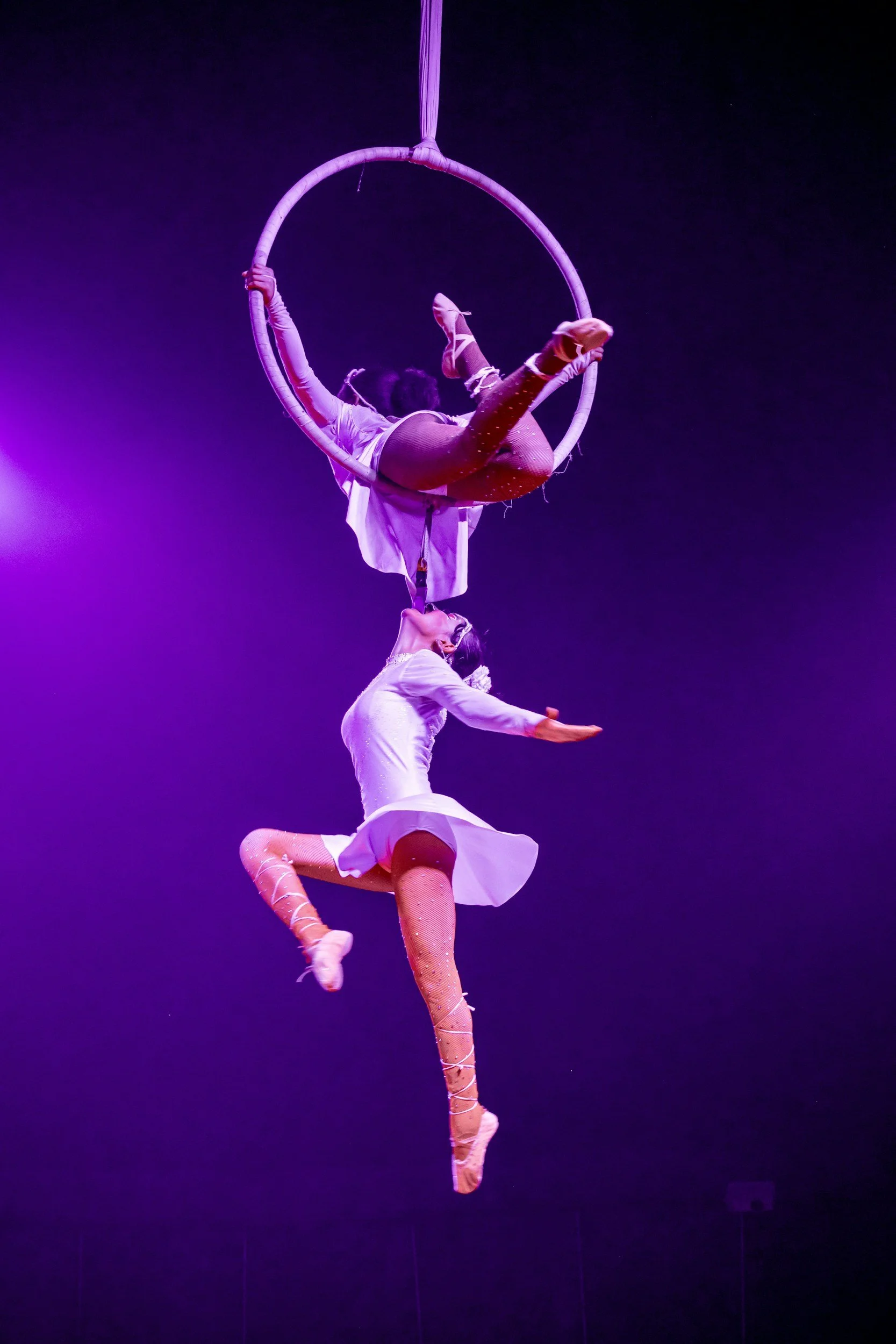
Aerial hoop and dance trapeze: bruising or soft-tissue irritation around the backs of the knees, hips or ribs, as well as wrist, elbow or shoulder pain from repeated hanging and gripping
Aerial straps and one-arm hangs: rotator cuff, biceps, elbow or wrist overload due to the high strength and stability demands
Meathooks and side-balance positions: shoulder, latissimus dorsi, abdominal or intercostal muscle strain
Handstands and hand balancing: pain or pinching at the back of the wrist, rotator cuff–related shoulder pain or shoulder instability
Partner acrobatics and hand-to-hand: wrist, shoulder or back strain while basing, lifting, catching or balancing
Splits, backbends and contortion skills: hamstring, adductor or hip-flexor strain, lower-back irritation, or shoulder pain at the end of range
These are examples rather than a complete list. Pain during a trick does not always mean that the named tissue is injured. The cause may also involve training volume, technique, strength, mobility, recovery or a previous injury.
At Physio Fei, your assessment considers both your symptoms and the specific pole movements that provoke them. If possible, bring videos of the moves that cause pain or the tricks you are currently working toward.
This allows me to better understand the demands of the movement and identify areas we can work on together. Treatment may include movement analysis, activity modification, manual therapy and an individualized strengthening program to help you return to pole safely and confidently.
Toronto Physiotherapist for Pole dance and Aerial Artists