Physiotherapy for Acrobats and Yogis in Toronto

Common Acrobatics and Yoga Injuries
Acrobatics and yoga challenge the body through a combination of strength, balance, mobility and control. Supporting your body weight in handstands and arm balances requires strong, stable wrists and shoulders, while splits and backbends require control throughout a large range of motion.
When training demands increase faster than the body can adapt—or when passive flexibility far exceeds our ability to actively control it—pain and injury may develop.
Some common pain and injury patterns include:
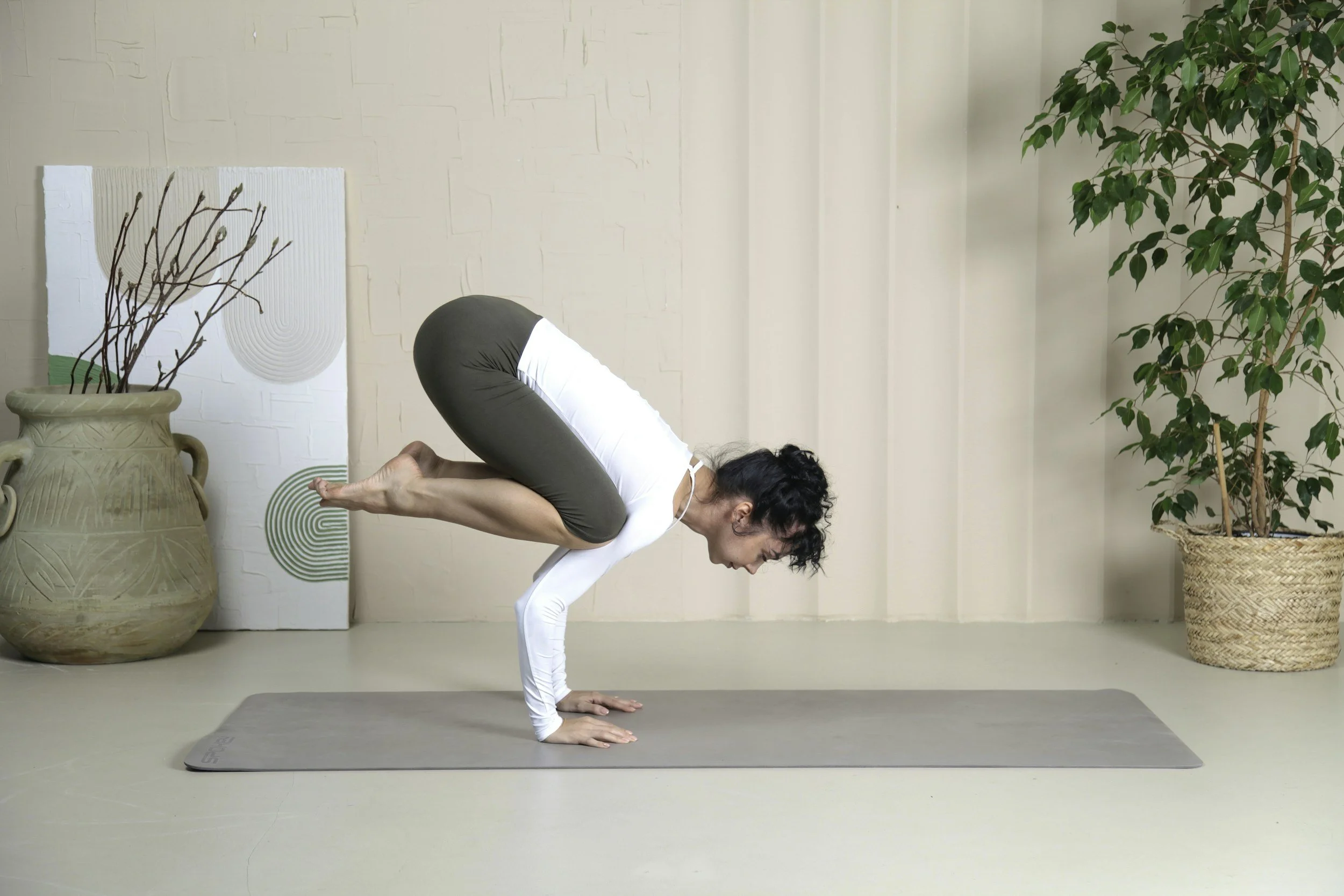
Handstands and arm balances: dorsal wrist pain or pinching, rotator cuff–related shoulder pain or shoulder instability
Chaturanga, planks and downward dog: wrist, elbow or shoulder pain associated with repeated upper-body weight-bearing
Backbends, wheel and scorpion: lower-back discomfort or compression, as well as shoulder pain or stiffness at the end of range
Splits and oversplits: hamstring, adductor or hip-flexor strain
Deep forward folds: hamstring or lower-back discomfort associated with repeated end-range loading
Headstands and shoulder stands: neck, upper trapezius or shoulder discomfort, particularly when excessive load is placed through the neck
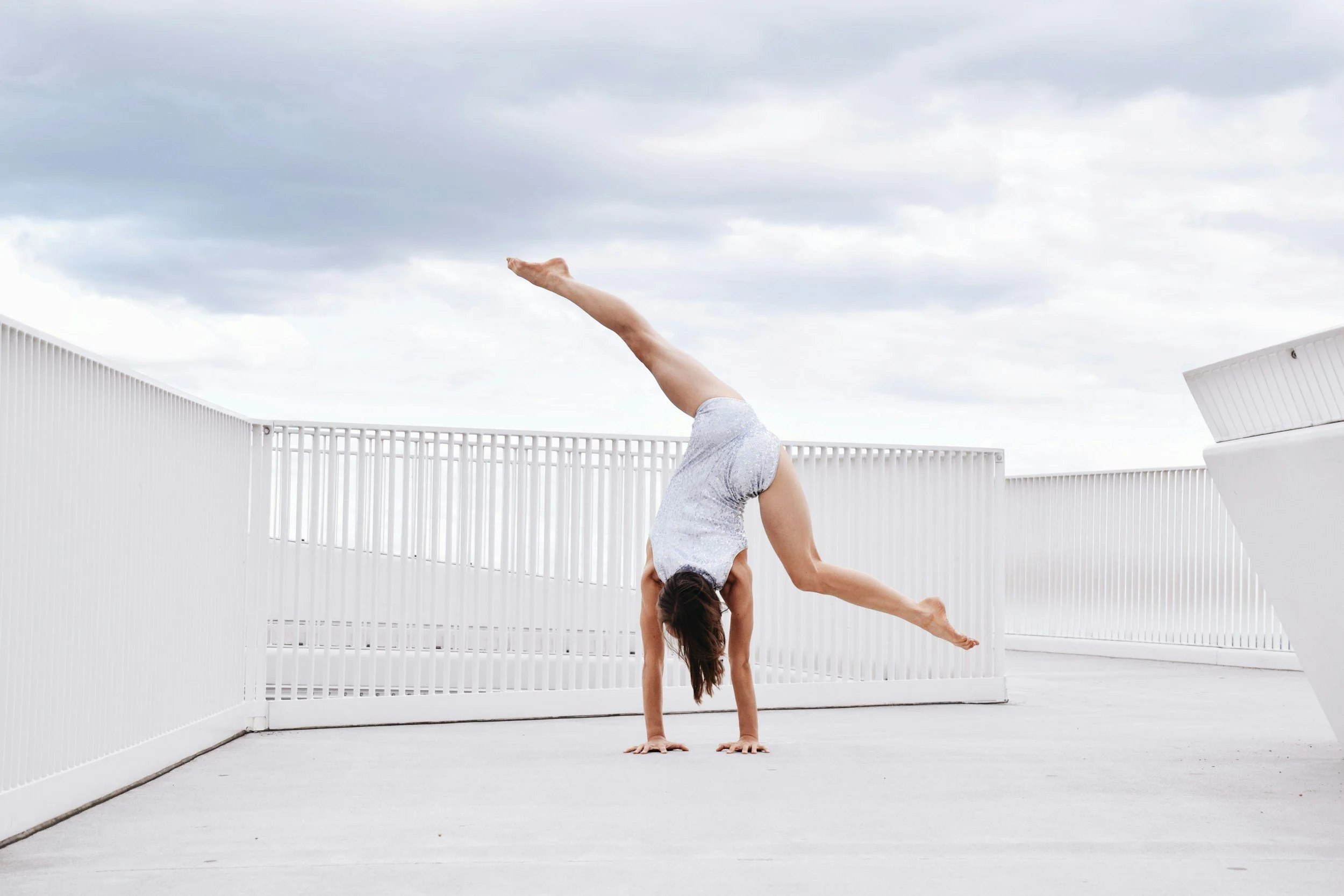
Walkovers, cartwheels and tumbling: wrist, shoulder, lower-back or ankle injuries associated with repeated weight-bearing, impact and landing
Partner acrobatics: wrist, shoulder or back strain while basing, lifting, catching or balancing
Lotus, pigeon and deep hip-opening poses: hip or knee irritation when the required rotation exceeds the available mobility or control
These are examples rather than a complete list. Pain during a trick does not always mean that the named tissue is injured. The cause may also involve training volume, technique, strength, mobility, recovery or a previous injury.
At Physio Fei, your assessment considers both your symptoms and the specific pole movements that provoke them. If possible, bring videos of the moves that cause pain or the tricks you are currently working toward. This allows me to better understand the demands of the movement and identify areas we can work on together. Treatment may include movement analysis, activity modification, manual therapy and an individualized strengthening program to help you return to pole safely and confidently.